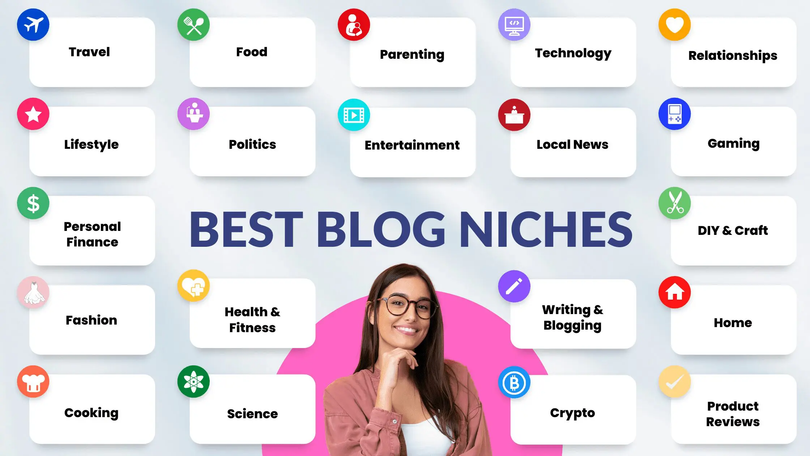

Do you publish blog posts regularly but struggle to attract traffic, leads, or sales? Stay calm. You may only need a better process for choosing topics that connect audience demand with your business goals.
A content writing certification can teach you how to research keywords, understand readers, and plan useful articles. However, you can also find profitable ideas by studying customer problems, search intent, competition, and conversion potential. This guide will explain how to choose profitable blog topics, test their value, organize your ideas, and create content that supports long-term growth.
How to Choose Profitable Blog Topics
A profitable blog topic attracts the right readers and guides them toward a useful action. It should answer a real question, support your expertise, and connect naturally with a product, service, or business goal.
High search volume alone does not make a topic profitable. You also need to study relevance, competition, buyer intent, and conversion opportunities.
Use the following methods to choose stronger blog topics:
- Understand Your Target Audience
- Connect Topics with Business Goals
- Research Relevant Keywords
- Study Search Intent
- Find Real Customer Problems
- Review Competitor Content
- Check Ranking Difficulty
- Measure Conversion Potential
- Choose Evergreen and Timely Topics
- Score and Prioritize Your Ideas
- Test and Improve Topic Performance
1. Understand Your Target Audience
A content writing certification can help you study audiences, but you should begin by identifying the exact people you want to attract. Learn about their goals, challenges, interests, knowledge level, and buying concerns. Clear audience knowledge will help you avoid topics that attract visitors who never need your offer.
Create a simple profile for each important reader group. Use customer interviews, sales conversations, support emails, surveys, online communities, and website analytics to collect useful details. Focus on the words people use when they describe their problems.
Do not assume that every reader wants the same information. A beginner may need a basic guide, while an experienced buyer may want comparisons, prices, examples, and proof.
Digital Applications (dgaps.com) presents its program as the best content writing course for learners who want practical training. Engr. Ghulam Abbas, an experienced expert in this field, and his team teach content writing through practical exercises, real assignments, and detailed reviews.
Include these details in your audience profile:
- Main goals
- Common problems
- Knowledge level
- Search habits
- Buying concerns
- Preferred content formats
- Frequently asked questions
- Desired results
2. Connect Topics with Business Goals
Every profitable topic should support a clear business goal. You may want to attract qualified traffic, generate leads, promote a service, sell a product, or build authority in a specific field.
Write down your main offers before you choose blog topics. Then list the questions people ask before they buy those offers. These questions can give you strong topic ideas that connect naturally with revenue.
Avoid choosing topics only because they look popular. A high-traffic article may bring little value when its readers have no interest in your services. Relevance often matters more than total traffic.
Choose ideas that allow you to guide readers toward a useful next step. That step may include reading a service page, joining an email list, downloading a resource, or requesting a consultation.
Connect each topic with a goal such as:
- Building brand awareness
- Attracting qualified traffic
- Generating email sign-ups
- Promoting a service
- Supporting a product
- Answering sales questions
- Building topical authority
- Increasing enquiries
3. Research Relevant Keywords
Keyword research shows what people search for and how they describe their needs. Start with broad terms related to your business, products, services, and audience problems.
Expand each broad term into detailed phrases, questions, comparisons, and problem-based searches. Long-tail keywords often attract fewer searches, but they may bring more focused readers.
Review estimated search volume, keyword difficulty, related terms, and trends. Use these numbers as guidance rather than absolute truth. Keyword tools provide estimates, and actual results may differ.
Choose keywords that match your expertise and allow you to create useful content. Do not target a phrase when it has no natural connection with your business.
Research keyword types such as:
- Informational keywords
- Problem-based searches
- How-to questions
- Comparison keywords
- Product-related phrases
- Service-related phrases
- Local searches
- Long-tail keywords
4. Study Search Intent
Search intent explains what a person wants to achieve with a search. Understanding this purpose will help you choose the right topic, format, and call to action.
Search the target keyword and review the pages that currently perform well. Check whether readers expect a guide, list, review, comparison, tool, service page, or product page.
A keyword with clear commercial intent may offer stronger profit potential than a broad educational phrase. However, informational topics can still support revenue when they guide readers toward relevant consideration or decision content.
Match one main search intent with each article. Avoid combining several unrelated goals because they can weaken the content.
Common search intent types include:
- Informational: The reader wants to learn.
- Commercial: The reader wants to compare solutions.
- Transactional: The reader wants to buy or take action.
- Navigational: The reader wants a specific website or page.
- Local: The reader wants a nearby provider or solution.
5. Find Real Customer Problems
Customer problems often produce the strongest blog topics. People search when they need an answer, want to avoid a mistake, or hope to achieve a result.
Review questions from sales calls, support messages, email replies, comments, and online discussions. Ask your team which concerns customers raise repeatedly. Each repeated question may support a useful article.
Write topics in the language customers use. A simple and familiar phrase often connects better than technical terminology.
Focus on problems that your knowledge, product, or service can solve. The closer the problem connects with your offer, the stronger the conversion opportunity may become.
Look for customer problems in:
- Sales conversations
- Support emails
- Website chat records
- Social media comments
- Online communities
- Product reviews
- Surveys
- Frequently asked questions
6. Review Competitor Content
Competitor research can show which topics already attract attention in your field. It can also reveal weak explanations, outdated information, and unanswered questions.
Review the blogs of direct and indirect competitors. Study their popular articles, heading structures, examples, keywords, links, and calls to action. Note the topics they cover repeatedly.
Do not copy their titles or content. Use the research to understand audience demand and find ways to provide more value. You may add clearer steps, original examples, updated data, expert insights, or better visuals.
Check whether competitors ignore important customer questions. These content gaps may offer useful opportunities.
Review competitor articles for:
- Topic relevance
- Search intent
- Content depth
- Heading structure
- Practical examples
- Missing questions
- Outdated information
- Calls to action
7. Check Ranking Difficulty
A profitable topic should offer a realistic chance of gaining visibility. Review the strength of the websites and pages that already rank for your target keyword.
Check their content quality, authority, backlinks, topic coverage, and search intent. Strong competitors do not always make a keyword impossible, but they may require more time, expertise, and promotion.
New websites can start with focused long-tail topics and lower-competition questions. These ideas may attract less traffic individually, but several targeted articles can create meaningful growth.
Do not avoid every competitive keyword. Mix easier opportunities with important long-term topics that support your authority and business goals.
Check ranking difficulty by reviewing:
- Competing website authority
- Content quality
- Article depth
- Backlink strength
- Search intent match
- Brand competition
- Topic freshness
- Your current expertise
8. Measure Conversion Potential
Traffic only creates value when it supports a useful outcome. Before choosing a topic, decide what action a reader may take after reading the article.
A topic with clear buying intent may connect directly with a product, service, trial, quote, or consultation. An educational topic may support an email sign-up, downloadable guide, or related comparison article.
Review the distance between the topic and your offer. A close connection usually creates stronger conversion potential. For example, a software company may gain more value from a comparison article than from a broad productivity quote list.
Do not force a sales message into every article. Match the call to action with the reader’s stage and needs.
Possible conversion actions include:
- Joining an email list
- Downloading a checklist
- Reading a service page
- Viewing a product
- Requesting a quote
- Booking a consultation
- Starting a trial
- Making a purchase
9. Choose Evergreen and Timely Topics
Evergreen topics remain useful for a long period. They often answer common questions, explain important methods, or solve regular problems.
Timely topics cover current events, trends, updates, seasonal needs, or recent changes. They can attract attention quickly, but they may lose value after a short period.
Build a balanced content plan with both types. Evergreen articles can support steady traffic, while timely posts can help you join relevant conversations and capture new demand.
Review timely content regularly and update or remove outdated details. You can also refresh strong evergreen pages when methods, tools, or customer needs change.
Evergreen topics may include:
- Beginner guides
- Step-by-step tutorials
- Definitions
- Common mistakes
- Checklists
- Frequently asked questions
Timely topics may include:
- Industry updates
- Seasonal guides
- New tools
- Recent trends
- Product changes
- Current events
10. Score and Prioritize Your Ideas
A scoring system can help you compare topic ideas objectively. It prevents personal preference from controlling every content decision.
Create a simple table and score each topic based on audience relevance, business value, search demand, ranking difficulty, conversion potential, and available expertise. Use the same scoring scale for every idea.
Give more importance to the factors that support your current goals. For example, a new business may prioritize low competition and strong relevance, while an established website may target more competitive commercial topics.
Do not follow the total score without judgment. Review the final list and consider seasonal needs, product launches, and available resources.
Score each topic based on:
- Audience relevance
- Business value
- Search demand
- Search intent
- Ranking difficulty
- Conversion potential
- Topic freshness
- Available expertise
11. Test and Improve Topic Performance
You cannot predict every result before publication. Track each article and use real performance data to improve future topic choices.
Measure impressions, rankings, clicks, engagement, internal link activity, leads, and conversions. Give the article enough time to gain visibility before making a final judgment.
Review topics that attract traffic but produce no business results. They may need a stronger call to action, better internal links, or closer alignment with your offer.
Study high-performing topics and identify common patterns. You may find that your audience prefers comparisons, tutorials, checklists, or problem-based articles.
Use these lessons to improve your next content plan.
Track these performance signals:
- Search impressions
- Keyword rankings
- Organic clicks
- Click-through rate
- Engagement time
- Internal link clicks
- Email sign-ups
- Enquiries
- Sales or conversions
Signs of a Profitable Blog Topic
A profitable blog topic combines audience demand with business relevance. It should attract the right readers and provide a natural path toward a meaningful action.
Look for these signs before adding a topic to your content calendar:
- Clear audience need: The topic answers a real question or problem.
- Relevant search demand: People actively look for information about it.
- Strong business connection: The topic relates naturally to your product or service.
- Useful search intent: The reader may move toward a valuable next step.
- Realistic competition: Your website has a reasonable chance to gain visibility.
- Conversion opportunity: The article can support leads, sales, or another business goal.
- Topic depth: You can provide useful details, examples, and insights.
- Internal linking potential: The article connects with related website pages.
- Long-term value: The topic can remain useful or support regular updates.
- Clear expertise: You can offer reliable and practical information.
Common Blog Topic Research Mistakes to Avoid
Weak topic selection can waste writing time and attract visitors who never become customers. A clear research process can help you avoid these problems.
Review these common mistakes before choosing your next topic:
- Following search volume alone: Check relevance, intent, and conversion potential.
- Ignoring audience needs: Build topics around real customer questions.
- Choosing unrelated trends: Focus on ideas that support your expertise and offers.
- Targeting only broad keywords: Add focused long-tail phrases to your plan.
- Ignoring competition: Review the strength and quality of ranking pages.
- Copying competitors: Find gaps and create original value.
- Skipping search intent: Match the format with the reader’s purpose.
- Writing without a business goal: Connect each topic with a useful outcome.
- Forcing sales into every article: Match the call to action with the buyer’s stage.
- Ignoring existing content: Avoid publishing several pages for the same intent.
- Choosing topics without expertise: Select ideas that you can explain accurately.
- Failing to track results: Use real performance data to improve your strategy.
Final Note
In this guide, we have covered how to choose profitable blog topics by understanding your audience, connecting ideas with business goals, researching keywords, reviewing search intent, studying competitors, and measuring conversion potential.
In my experience, the most profitable topic does not always attract the highest search volume. A focused article that reaches the right reader can generate more value than a broad article that attracts thousands of unrelated visitors.
Start with your main products or services and list the questions customers ask before making a decision. Research those ideas, score their potential, and publish the strongest topic first.
Thank you for reading, and best wishes for building a profitable blog content strategy.