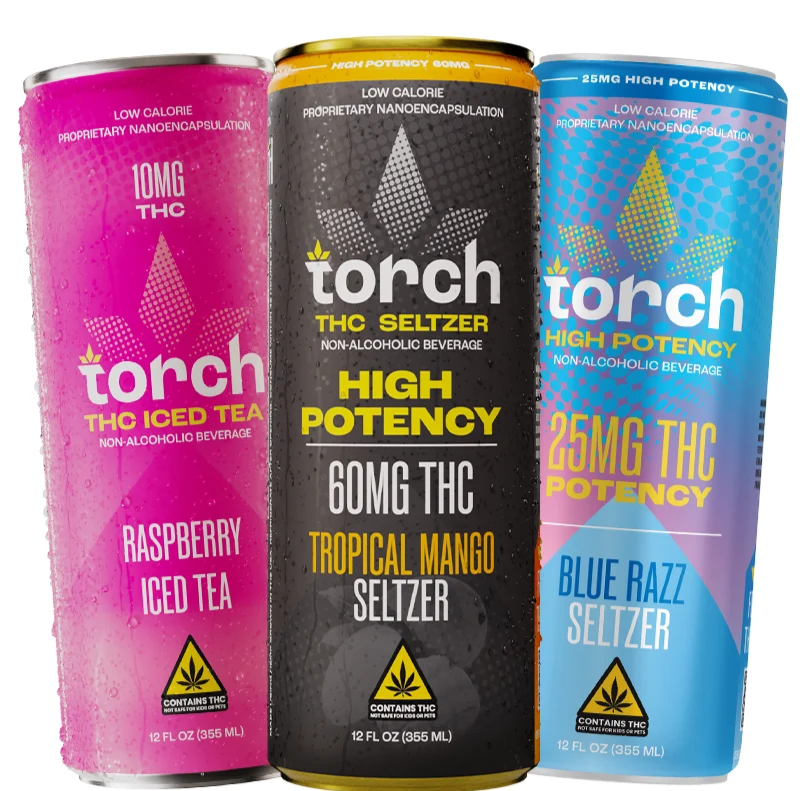

Fruit-forward THC drinks offer adults an alternative to conventional beverage styles by combining distinctive fruit flavors with hemp-derived THC formulations. From tangy citrus blends to sweet berries and tropical combinations, these beverages explore a wide range of taste profiles. For adults interested in bold flavors, understanding the ingredients and formulation behind each option can make the selection process more informative.
However, flavor is only one consideration when evaluating THC beverages. Ingredient lists, cannabinoid quantities, serving sizes, and available product testing documentation also deserve attention. By exploring different fruit profiles and learning how to compare product details, adults can make more informed purchasing decisions while approaching THC-containing beverages responsibly.
Understanding the Appeal of Fruit-Forward THC Drinks
Fruit-forward THC drinks emphasize recognizable fruit characteristics, including sweetness, acidity, and aroma. Some formulations focus on a single fruit, while others combine several flavors to create a more layered taste experience. These differences give adults a variety of options to explore when comparing beverage styles and ingredients.
Citrus Flavors for a Bright, Tangy Experience
Citrus-inspired beverages often feature lemon, lime, grapefruit, or orange. These fruits are associated with bright, tangy flavor profiles that can complement sparkling or lightly sweetened formulations. Depending on the ingredients, a citrus beverage may taste sharp and refreshing or have a softer, sweeter finish.
When comparing citrus options, look beyond the flavor name. Check the ingredient list for sweeteners, flavoring components, and other additives that may influence the final taste. Comparing these details can help adults identify beverages that suit their preferences without assuming that all citrus formulations offer the same experience.
Berry Blends With Sweet and Tart Notes
Berry flavors provide another direction for adults who prefer more pronounced fruit characteristics. Strawberry and blueberry are commonly associated with sweeter profiles, while raspberry and blackberry can contribute more noticeable tartness. Combining different berries may create additional complexity, depending on the formulation.
When evaluating berry-based THC drinks, consider whether the description emphasizes sweetness, acidity, or a mixed-fruit profile. Nutrition information can also help clarify sugar content when available. These practical details provide a better basis for comparison than packaging descriptions alone and help shoppers understand the beverage’s overall composition.
Exploring Tropical Fruit Combinations in THC Beverages
Tropical flavors offer another category worth exploring, particularly for adults who enjoy bold and recognizable fruit combinations. Mango, pineapple, passion fruit, and guava each have distinct flavor characteristics, and combining them can create different balances of sweetness and acidity. Understanding these profiles makes it easier to compare beverages according to individual taste preferences.
Mango and Pineapple for Rich Fruit Profiles
Mango is often associated with a rounded, sweet flavor, while pineapple typically contributes a tangier character. Together, these fruits can create a recognizable tropical profile that balances sweetness with acidity. The exact result depends on the proportions and other ingredients used in the beverage.
Adults comparing mango and pineapple formulations should review product descriptions alongside ingredient and nutrition information. A tropical flavor label does not necessarily reveal how sweet the beverage is or which fruit ingredients it contains. Checking the available details helps shoppers make more informed comparisons between similar options.
Combining Tropical Fruits With Citrus
Tropical fruit and citrus combinations can introduce contrast into a beverage’s flavor profile. Pineapple with lime, mango with orange, or passion fruit with lemon may produce different balances of tanginess and sweetness. Carbonation and sweetener choices can further influence how these flavors are perceived.
When comparing these combinations, consider the overall flavor description rather than focusing on a single fruit. Look for ingredient details that clarify the formulation and review nutritional information where available. This approach is particularly useful when several products use similar tropical imagery but have different compositions.
How Sweetness, Acidity, and Carbonation Influence Flavor
Fruit ingredients are only part of what shapes a beverage’s taste. Sweetness, acidity, carbonation, and texture can influence the way individual flavors come together. Understanding these characteristics can help adults compare products more carefully and identify the styles that align with their preferences.
Comparing Sweet and Tart Formulations
Some beverages emphasize sweetness, while others highlight tart or tangy notes. Sweeteners, fruit concentrates, and acids can influence this balance, meaning two drinks with similar fruit descriptions may taste noticeably different.
Before choosing a product, consider checking:
- The listed ingredients and flavoring components.
- Total sugar and added sugar, where disclosed.
- Nutrition information per serving.
- The product’s description of its intended flavor profile.
These details help shoppers compare formulations using available information instead of relying on assumptions. They also make it easier to identify products that match individual taste preferences and nutritional considerations.
Understanding Carbonation and Beverage Texture
Carbonation can create a lively mouthfeel and influence how fruit flavors are experienced. A sparkling citrus beverage may present differently from a still fruit drink, even when both use similar flavor ingredients. Sweetness, acidity, and carbonation can interact to produce distinct overall profiles.
Adults who prefer sparkling drinks may wish to check whether a product is carbonated and review its storage instructions. Product descriptions may also indicate whether the beverage is designed around a crisp, sweet, or tangy profile. These characteristics provide useful context when comparing available options.
What to Check Before Choosing Fruit-Forward THC Drinks
A bold fruit profile does not reveal the full composition of a THC beverage. Consumers should also examine cannabinoid quantities, serving instructions, ingredients, and available laboratory documentation. Reviewing these details provides a more complete picture of the product and helps adults distinguish between beverages that may appear similar at first glance.
Reviewing THC Content and Serving Sizes
THC quantities are important when evaluating an intoxicating beverage. Product information may list the total amount in the container as well as the quantity per serving, and these figures should not be confused. Reading the serving instructions carefully helps consumers understand the stated formulation.
THC can affect attention, coordination, judgment, and reaction time. Its effects may vary between individuals and products, and beverages can have delayed effects. Adults should follow product warnings, avoid consuming additional servings while waiting for effects, and never drive or operate machinery while impaired.
Examining Ingredients and Laboratory Documentation
Ingredient lists can identify sweeteners, flavorings, preservatives, and hemp-derived components. For THC beverages, a certificate of analysis may also provide laboratory results for cannabinoid concentrations and selected contaminants.
When available, check whether the report:
- Identifies the relevant product and batch.
- Includes a testing date and laboratory details.
- Reports cannabinoid quantities.
- Explains which contaminants were tested.
Laboratory documentation can support product evaluation, but its value depends on the testing scope and whether the report matches the specific product. It should complement, rather than replace, careful label reading.
Shopping for Fruit-Forward THC Drinks Online
Online shopping allows adults to compare beverage flavors, package sizes, and product details in one place. However, listings can vary considerably in clarity and completeness. Taking time to examine each product’s information helps consumers compare options without relying exclusively on attractive images or promotional descriptions.
Comparing Product Listings and Flavor Options
Adults who shop hemp infused drinks online can compare citrus, berry, and tropical profiles while reviewing the ingredients and cannabinoid quantities listed for each product. It is useful to check serving information, nutrition details, and available testing documentation before making a decision.
Torch Hemp provides a product range that shoppers can explore by reviewing individual listings and their disclosed characteristics. Rather than assuming that products within the same collection share identical ingredients or cannabinoid quantities, compare each item independently. This approach supports more informed decisions based on product-specific information.
Checking Product Availability and Requirements
Before ordering a THC beverage, adults should confirm that the product is available for purchase and delivery in their location. Requirements may differ according to the formulation and jurisdiction, including age restrictions, sales conditions, and shipping limitations.
It is also important to review product storage instructions and any warnings provided by the seller. THC beverages should be kept securely away from children and pets. Checking these practical details before completing a purchase can help shoppers avoid misunderstandings about product handling and availability.
Responsible Considerations When Exploring THC Beverages
Bold flavors and familiar beverage packaging do not change the effects of THC. Adults should consider the cannabinoid content, product warnings, and individual circumstances before making a purchasing decision. A responsible approach also means avoiding unsupported assumptions about safety or suitability based on a drink’s flavor profile or hemp-derived ingredients.
Making Informed and Responsible Choices
THC-containing beverages can cause intoxication, and combining THC with alcohol or other impairing substances may increase risks. Consumers should read all available warnings and avoid activities requiring full attention or coordination after consuming an intoxicating product.
People who have questions about possible medication interactions or other individual concerns should seek appropriate professional guidance. Adults should also verify applicable purchase requirements before ordering. Evaluating these considerations alongside ingredients and flavor characteristics helps ensure that decisions are based on more than taste alone.
Conclusion
Exploring fruit-forward THC drinks allows adults to compare a wide variety of flavor profiles, from tangy citrus and sweet berries to bold tropical combinations. Sweetness, acidity, carbonation, and ingredient choices all influence the final beverage experience, making product descriptions and ingredient lists useful starting points for comparison.
Before making a purchase, consumers should also examine THC quantities, serving sizes, available laboratory documentation, and relevant product warnings. Those who shop hemp infused drinks online can use these details to compare individual listings more carefully and confirm applicable purchasing requirements. Torch Hemp is one option for exploring available product descriptions while applying these evaluation principles. Ultimately, combining flavor preferences with careful label reading and responsible decision-making provides a more informed approach to choosing fruit-forward THC beverages.