

In modern life, health is often viewed only in terms of diet or exercise, but true well-being goes much deeper. A holistic wellness lifestyle focuses on the complete connection between body, mind, and emotions. Instead of treating health issues separately, holistic wellness encourages balance in every area of life. By adopting mindful habits and positive routines, individuals can experience lasting health, inner peace, and overall life satisfaction.
Understanding Holistic Wellness

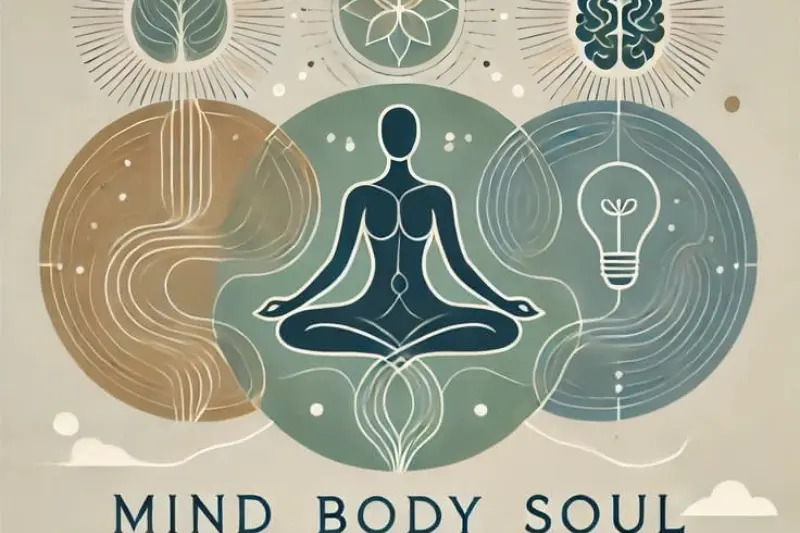
Holistic wellness is an approach that considers the whole person rather than isolated symptoms. A holistic wellness lifestyle emphasizes physical health, mental clarity, emotional stability, and spiritual balance. It promotes harmony between daily habits, thoughts, and actions to support long-term well-being.
Why Holistic Wellness Is Important
When all aspects of life are balanced, the body functions more efficiently. Following a holistic wellness lifestyle helps reduce stress, prevent illness, and improve emotional resilience. It also supports a deeper understanding of personal health needs.
Physical Health in a Holistic Wellness Lifestyle
Physical well-being is a core pillar of holistic health. Caring for the body through movement, nutrition, and rest strengthens overall wellness. A holistic wellness lifestyle encourages gentle and consistent physical care rather than extreme routines.
Importance of Regular Movement
Movement improves circulation, flexibility, and energy levels. Activities like walking, yoga, stretching, or light exercise help keep the body active and balanced without strain.
Nutrition and Natural Eating Habits
Food is fuel for both the body and mind. A balanced diet plays a key role in a holistic wellness lifestyle by providing essential nutrients that support physical and mental health.
Mindful and Conscious Eating
Eating slowly, choosing whole foods, and avoiding excess processed items improves digestion and energy. Mindful eating strengthens the connection between body awareness and nutrition.
Mental Wellness and Mindful Living
Mental health is a vital part of holistic well-being. Stress, overthinking, and negative emotions can affect physical health. Practicing mindfulness is central to a holistic wellness lifestyle.
Managing Stress Naturally
Meditation, deep breathing, journaling, and quiet reflection help calm the mind. These practices improve focus, emotional control, and mental clarity.
Emotional Balance and Inner Peace
Emotional wellness involves understanding, accepting, and managing feelings in a healthy way. A holistic wellness lifestyle supports emotional awareness and self-compassion.
Building Emotional Resilience
Recognizing emotions without judgment helps reduce anxiety and emotional exhaustion. Healthy emotional habits strengthen self-confidence and inner peace.
Sleep and Rest as Holistic Practices
Rest is essential for recovery and balance. Quality sleep supports immune function, mood stability, and mental sharpness. Maintaining good sleep habits is a key part of a holistic wellness lifestyle.
Creating a Restful Sleep Routine
Consistent sleep schedules, calming bedtime routines, and limited screen exposure improve sleep quality and overall wellness.
Spiritual Wellness and Self-Connection
Spiritual wellness does not necessarily relate to religion. It involves finding purpose, meaning, and inner connection. A holistic wellness lifestyle encourages self-reflection and personal growth.
Practices for Spiritual Balance
Meditation, gratitude, nature walks, or quiet moments of reflection strengthen inner awareness and emotional grounding.
Social Wellness and Healthy Relationships
Human connection plays an important role in holistic health. A holistic wellness lifestyle values meaningful relationships that provide emotional support and positive energy.
Importance of Social Balance
Spending time with supportive people and setting healthy boundaries improves emotional well-being and reduces stress.
Daily Routines and Lifestyle Balance
Daily habits shape long-term health. A balanced routine supports discipline and mental clarity. Including wellness practices in daily life strengthens a holistic wellness lifestyle.
Creating a Balanced Daily Schedule
Organizing time for work, rest, meals, and relaxation promotes stability and prevents burnout.
You may also like to read these posts:
Wellness Living Tips for a Healthier, Balanced Life
Healthy Living Habits for a Better and Balanced Life
Daily Wellness Routine for a Healthy Balanced Life
Self Care Tips for Health and Daily Well-Being
Digital Wellness and Mind Control
Excessive screen time can disrupt mental and emotional balance. Reducing digital overload is an important aspect of a holistic wellness lifestyle.
Healthy Technology Habits
Taking regular breaks from screens and limiting social media use improves focus and emotional health.
Self-Care and Personal Awareness
Self-care is an essential part of holistic wellness. Listening to your body and respecting personal limits supports long-term health. Practicing self-care strengthens a holistic wellness lifestyle.
Understanding Your Body’s Signals
Recognizing signs of stress or fatigue helps prevent illness and emotional exhaustion.
Consistency and Sustainable Wellness
Holistic wellness is not a quick fix; it is a lifelong journey. Consistency is the key to maintaining a holistic wellness lifestyle.
Setting Realistic Wellness Goals
Small, achievable goals help build healthy habits without pressure or burnout.
Long-Term Benefits of a Holistic Wellness Lifestyle
Following a holistic wellness lifestyle improves immunity, emotional balance, mental clarity, and overall life satisfaction. Over time, these benefits lead to a healthier, calmer, and more meaningful life.
Living a Balanced and Fulfilling Life
When body, mind, and emotions are aligned, life feels more peaceful and purposeful.
Frequently Asked Questions
What is a holistic wellness lifestyle?
It is a lifestyle that focuses on the balance of physical, mental, emotional, and spiritual health.
Is holistic wellness suitable for everyone?
Yes, it can be adapted to different ages, lifestyles, and health needs.
How can beginners start holistic wellness?
Start with small habits like mindfulness, healthy eating, regular movement, and proper rest.
Does holistic wellness improve mental health?
Yes, it helps reduce stress, improve focus, and support emotional balance.
How long does it take to see results?
Positive changes often appear within weeks, while long-term benefits grow with consistency.
Conclusion
A holistic wellness lifestyle focuses on balance, awareness, and mindful living. By nurturing physical health, mental clarity, emotional stability, and spiritual connection, you can create a healthier and more fulfilling life. True wellness comes from consistent, intentional choices that honor your whole self.